What is the Continuum of Care in a Care Home and Why Does it Matter?

When a loved one begins to need extra support, the decision to move into a care home is a big step for any family. But what happens if their needs continue to change over time? Will they have to move again or start from scratch somewhere new? These are very real concerns that many families face. The good news is that the right care home can provide a solution that adapts with your loved one at every stage. This is called the continuum of care.
The continuum of care is a model of care that grows and evolves with a person as their needs change. Instead of receiving a fixed level of support, residents can transition smoothly through different types of care within the same home. This helps maintain stability, familiarity and peace of mind for both residents and their families.
Why the Continuum of Care Matters
As people age, care needs rarely remain the same. Someone may arrive at a care home needing just a little help with daily tasks, but over time they might require nursing support or specialist dementia care. The thought of having to relocate a parent or partner when they are already settled can be incredibly stressful. Continuum of care removes that worry.
It means residents benefit from consistency in their surroundings, relationships and routines. Care teams already know their preferences, personality, and what makes them feel comfortable. Families can trust that their loved one will receive the right support without facing another major upheaval.
A Person Centred Approach to Ageing
Continuum of care focuses on treating each person as an individual. It recognises that well-being involves far more than medical care. Social connection, dignity, independence, and emotional comfort are all essential parts of a fulfilling life.
Care plans are regularly reviewed so that support adapts in a natural and respectful way. A resident might begin with residential care that encourages independence. Later, as mobility changes or a medical condition progresses, additional nursing support can be introduced without changing their home or the carers they know.
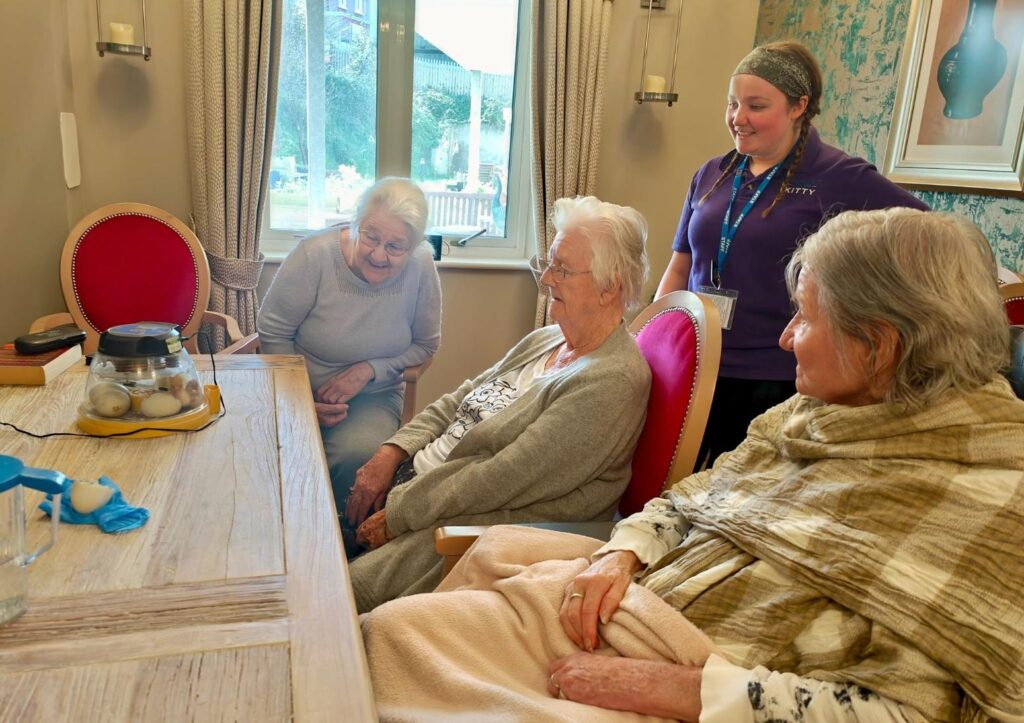

Residents are encouraged to remain active, make choices and enjoy meaningful activities that align with their interests. This helps them stay engaged in life, even as their needs become more complex.
Reducing Stress and Anxiety for Families
Family members often carry a huge emotional load when caring for an elderly relative. The worry of how to manage future changes can feel overwhelming. With the continuum of care, those worries ease.
There is comfort in knowing that your loved one has a long-term care plan already in place. You do not need to start searching for a new care home or coordinating new support further down the line. Everything is already here and ready when needed. This creates an environment where families can focus on quality time together instead of uncertainty.
Building Relationships that Matter
One of the greatest strengths of the continuum of care is familiarity. Residents have the same carers around them every day. They build trust and friendship with the people who support them. Staff know their personal story, their favourite hobbies, the little details that help create a sense of belonging.
Being surrounded by friendly faces becomes especially important for those living with dementia who may struggle with change. Remaining in a familiar home with strong relationships can reduce confusion and anxiety.
Supporting Complex Needs with Confidence
Many older adults develop long-term conditions that require medical attention. As needs become more advanced, the continuum of care allows for nursing professionals to step in seamlessly.
For example, if a resident begins to experience mobility issues, heart or respiratory conditions, or the early stages of dementia, their support plan can be enhanced without uprooting them. Care is always tailored to the individual and reviewed regularly by healthcare professionals.


If short term support is needed after an illness, fall or hospital stay, additional care can be provided temporarily until the resident regains confidence and strength.
Promoting Independence for as Long as Possible
The goal is not to take away independence, but to preserve it. Residents are encouraged to remain as self reliant as they feel comfortable, while knowing a helping hand is always close by. Small everyday choices, such as what to eat for lunch or how to spend the afternoon, are important for confidence and self worth.
As needs evolve, independence is supported in new ways. This can include adaptive equipment, gentle physiotherapy, or personalised assistance from carers who understand what motivates and reassures the resident.
A Place That Remains Home
Moving house can be daunting at any age, and especially later in life. The continuum of care helps avoid the emotional strain of relocating again and again. Instead, residents build a true home where they feel safe, known, and valued.
Their bedroom, their belongings, their favourite seat in the lounge - nothing has to change just because their needs have. This stability supports a better quality of life and helps maintain identity and dignity.
Why the Continuum of Care Works
- It adapts to changing care needs
- It removes the stress of relocating later
- It supports independence and wellbeing
- It strengthens emotional bonds between carers and residents
- It allows families to feel reassured for the future
When families search for a care home, they are not only thinking about today. They are also thinking about what comes next. Choosing a home that offers a continuum of care gives them confidence that their loved one will be supported every step of the way.

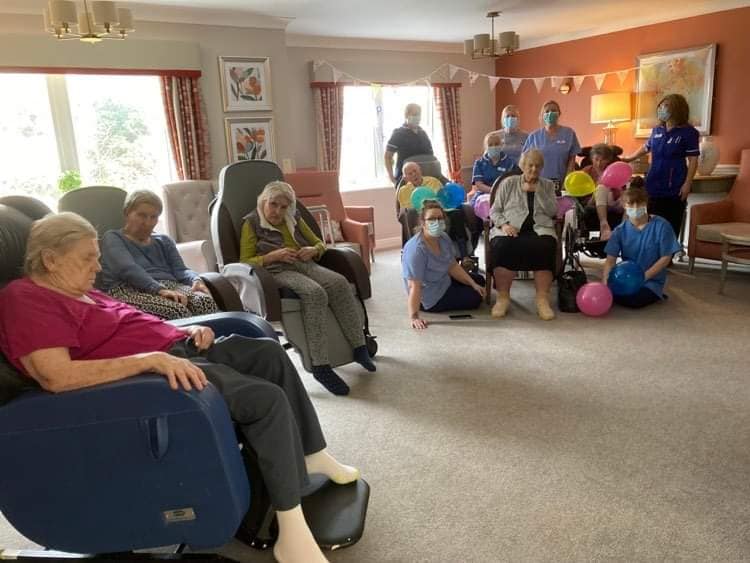
Continuum of Care at The Fleet Care Home in Dartmouth
At The Fleet Care Home, the happiness and well-being of residents guide everything we do. Our team provides tailored support that can gently evolve as required, including residential care, nursing care and dedicated dementia care within the same welcoming home.
We believe that care should never interrupt life. That is why we focus on helping residents enjoy their interests, connect with others, and feel safe and valued. When needs change, we adapt the support while keeping the comfort of familiarity intact.
If you would like to learn more about how we support residents throughout every stage of later life, our friendly team would be delighted to help. Contact us today to arrange a visit or simply ask any questions you may have. We are here to make the journey easier for you and your loved one.